Water Heater Repair in Helotes, TX
Water heater repair in Helotes, TX usually starts with one of three problems: a leak around the tank, no hot water, or loud popping from mineral buildup. Shut off the water and the power or gas if the tank is leaking, then call to be connected with a local plumber who can inspect it.
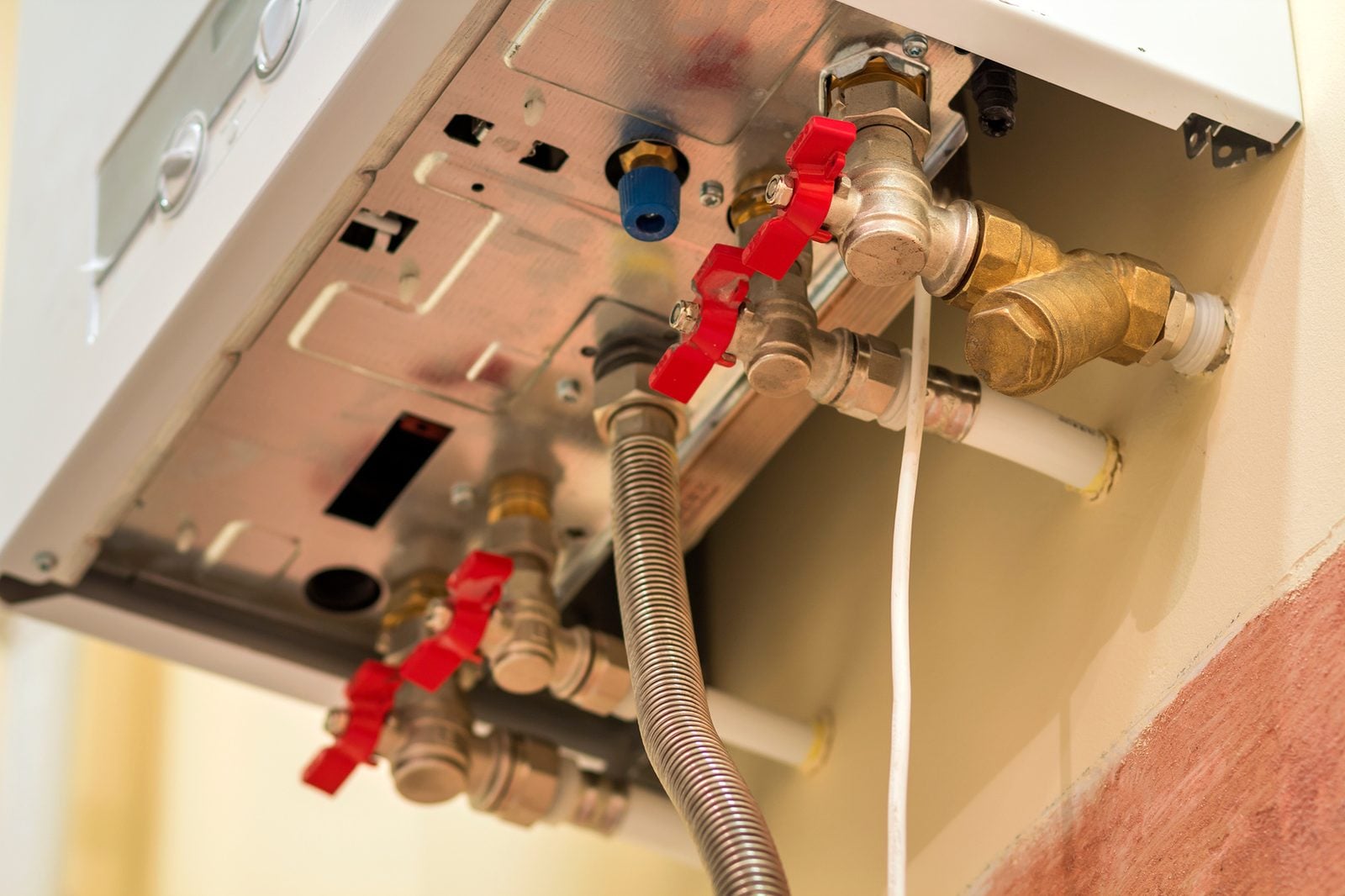
- A leak from the bottom seam of the tank usually means the tank itself has failed; a leak from a fitting or valve is often repairable.
- SAWS reports typical water hardness of 15 to 20 grains per gallon, and hard water speeds up sediment buildup inside tank heaters.
- Popping or rumbling sounds usually point to sediment on the bottom of the tank, not an emergency by itself.
- If you smell gas near a gas water heater, leave the house first and call your gas utility from outside.
- Texas plumbers are licensed by the Texas State Board of Plumbing Examiners (TSBPE), and you can check a license online.
What to do first
- If you smell gas, leave the house and call your gas utility from outside.
- Turn the cold-water valve on top of the heater to off, or shut off the main water to the house.
- Switch off the breaker for an electric heater, or set the gas control knob to off for a gas heater.
- Move belongings away from the water and take photos of the leak and the tank label.
- Call to be connected with a local plumber who can inspect the heater.
What does water heater repair in Helotes, TX usually involve?
Water heater repair in Helotes, TX usually means finding out why the heater is leaking, not heating, or making noise, then fixing the part that failed. Common repairs include valves, thermostats, heating elements, gas burner parts and loose fittings. If the tank itself is leaking, repair is usually not possible and replacement becomes the topic.
Most Helotes homes have a tank heater in a garage, attic, closet or utility room, and some have tankless units. For a full overview, see the water heater repair page.
Is a leaking water heater an emergency?
A leaking water heater is urgent when water is spreading across the floor, coming from the bottom of the tank, or dripping into a ceiling from an attic unit. A slow drip from a pipe fitting is less urgent, but it should still be checked soon because small leaks can damage drywall, flooring and cabinets over time.
Where the water comes from matters:
- Top of the tank: often a loose connection on the hot or cold line, or a worn shutoff valve. These are usually repairable.
- Relief valve or its drain pipe: the temperature and pressure relief valve may be opening because pressure or temperature is too high, or the valve itself is worn. This needs a professional check, because the valve is a safety device. Never plug or cap it.
- Drain valve near the bottom: a worn drain valve can drip. This is often a simple part.
- Bottom seam or under the tank: this usually means the inside of the tank has rusted through. Shut off the water and power and call for help.
If water has reached walls or floors, the leak detection and repair page explains what a plumber looks for when water is hiding behind surfaces.
Why do I have no hot water at all?
No hot water usually comes from a power or fuel problem, a failed part, or a safety shutoff. On an electric heater, check the breaker first. On a gas heater, check whether the pilot light or burner is out. If those look normal, a heating element, thermostat, thermocouple or gas control valve may have failed.
Lukewarm water often points to one failed element or heavy sediment. The guide No Hot Water? What to Check First walks through safe checks. If the breaker trips again or the pilot will not stay lit, stop and call.
Need help now? Call to be connected with a local provider in San Antonio who can check availability for your address.
What causes popping, rumbling or rotten-egg smells?
Popping and rumbling sounds usually come from sediment, a layer of minerals that settles on the bottom of the tank. Water trapped under that layer boils and pops when the burner or element heats it. A rotten-egg smell in the hot water often comes from a reaction between bacteria in the tank and the metal anode rod.
Sediment makes the heater work harder and can shorten the life of the tank. A plumber can flush the tank, check the anode rod, and tell you whether the buildup has gone too far. A smell in the hot water only is different from a gas smell in the air. If you smell gas in the room, follow the safety steps at the top of this page.
Should I repair or replace my water heater?
Repair usually makes sense when the tank is sound and one part has failed, such as a valve, element or thermostat. Replacement usually makes sense when the tank itself is leaking, the heater is near the end of its expected life, or repairs keep coming back. A plumber can look at the age on the label and the condition of the tank before you decide.
The page water heater repair vs. replacement covers this choice step by step.
What happens during the visit?
During the visit, the plumber inspects the heater, finds the cause, explains your options, and gives you a written quote before any work begins. You decide whether to repair, replace or wait. Timing depends on the provider's schedule, the parts needed and where the heater is installed.
- Inspection: tank, valves, gas venting or electric wiring, the relief valve and the area around the heater.
- Options: what failed, what repair would involve and, if it applies, what replacement would involve.
- Written quote: the scope of work in writing before anything starts.
- Permits: whether the job needs a permit and inspection where you live.
How do I check a plumber's license in Texas?
You can check a Texas plumber's license through the Texas State Board of Plumbing Examiners (TSBPE), which licenses the plumbing trade in the state. TSBPE suggests asking for the name of the company's Responsible Master Plumber and checking that the license is valid. Master Plumber license numbers begin with the letter "M."
TSBPE also notes that it does not regulate what plumbers charge, so it is fair to ask questions about the written quote before you agree to the work. For permit questions, TSBPE advises asking your city's plumbing inspection department.
What should Helotes homeowners know about water heaters?
Water heaters in Helotes and the rest of the San Antonio area face two local stresses: hard water and the occasional hard freeze. San Antonio Water System (SAWS) says the typical hardness of its water ranges from 15 to 20 grains per gallon, from minerals that occur naturally in the Edwards and Trinity aquifers. SAWS also says hard water is not a health hazard. The minerals do settle inside tank heaters as sediment, which is why flushing and anode checks come up so often here. Homes in Helotes, Leon Valley or Boerne that are on a different utility or a private well should check their own water report.
Freezes are less common but serious. NWS normals show San Antonio averages 14 days a year with lows at or below 32°F. During the February 2021 winter storm, San Antonio International Airport stayed below freezing for 4 days 12 hours, and burst water pipes were among the impacts. Water heaters in garages and attics, and the pipes that feed them, are more exposed in a freeze than units inside the living space.
- SAWS advises shutting off the main water service at the meter if you suspect a leak at home, and it notes that it cannot repair plumbing on private property.
- Texas law lets a property owner do plumbing on their own homestead without a plumbing license, but a city may still require a permit.
This site connects callers across the area, including Helotes, Leon Valley, Stone Oak, Boerne and San Antonio. Call to be connected with a local plumber who can check availability for your address.
Related pages
Questions people ask
Who do I call for water heater repair in Helotes, TX?
Call the number on this page to be connected with a local plumber who serves Helotes, TX. They can check availability for your address, inspect the heater and explain your options before any work starts.
My water heater is leaking from the bottom. Can it be fixed?
Usually not, if the water is coming from the tank itself. A leak from the bottom seam often means the inside of the tank has rusted through. A leak from the drain valve near the bottom, though, can often be fixed by replacing that valve, so it is worth having a plumber confirm the source.
What should I do first if my water heater starts leaking?
Turn off the cold-water valve on top of the heater, then turn off the power or gas. If you smell gas, leave the house and call your gas utility from outside. Then move belongings away from the water, take photos and call a plumber.
Why does my water heater make popping or rumbling noises?
Popping usually means sediment has built up on the bottom of the tank. Water trapped under the minerals boils and pops when the heater runs. A plumber can flush the tank and tell you whether the buildup has caused damage.
Does hard water in the San Antonio area hurt water heaters?
Hard water does not make water unsafe, but the minerals settle inside tank heaters as sediment. SAWS reports typical hardness of 15 to 20 grains per gallon, so regular flushing and anode rod checks are common advice in the area.
Why does my hot water smell like rotten eggs?
A rotten-egg smell only in the hot water usually comes from bacteria reacting with the anode rod inside the tank. It is different from a gas leak. If you smell gas in the air near the heater, leave the house and call your gas utility.
Why do I have no hot water but the heater is on?
A heater can have power or gas and still fail to heat because of a bad heating element, thermostat, thermocouple or gas control valve. Heavy sediment can also reduce how much hot water you get. A plumber can test each part to find the cause.
How do I know if my water heater should be replaced instead of repaired?
Replacement is usually the topic when the tank leaks, the heater is near the end of its expected life, or repairs keep coming back. Repair usually makes sense when the tank is sound and one part failed. A plumber can check the age and condition before you decide.
Can I fix my own water heater in Texas?
Texas law lets a property owner do plumbing on their own homestead without a plumbing license, but your city may still require a permit. Gas lines, venting and relief valves involve safety risks, so many homeowners call a licensed plumber for those parts.
How do I check if a plumber is licensed in Texas?
Use the Texas State Board of Plumbing Examiners (TSBPE) online license search. TSBPE suggests asking for the name of the company's Responsible Master Plumber and confirming the license is valid. Master Plumber license numbers begin with "M."
Do plumbers in Helotes work on tankless water heaters?
Many do. When you call, mention that you have a tankless unit and, if you can, the brand and model, so you can be connected with a local plumber who works on that type.
Do I need a permit to replace a water heater in Helotes?
It depends on where you live. TSBPE advises asking your city's plumbing inspection department whether a job needs a permit and inspection, and the plumber you speak with can also tell you what applies to your address.
Will homeowners insurance pay for water heater leak damage?
It depends on your policy. Many policies treat sudden damage differently from gradual leaks, so check your policy, take photos of the heater and any damage, and keep records of what was done.
Can a freeze damage my water heater or its pipes?
Yes, pipes feeding a water heater in a garage or attic can freeze and burst in a hard freeze. During the February 2021 winter storm, San Antonio stayed below freezing for 4 days 12 hours, and burst pipes were among the impacts.
What happens when a plumber comes out to look at my water heater?
The plumber inspects the heater, explains what failed, walks you through repair or replacement options, and gives you a written quote before any work starts. You decide what to do next.
Can SAWS fix my water heater?
No. SAWS says it cannot repair plumbing on private property. A water heater is part of your home's plumbing, so you need a private plumber for repairs.
Talk to someone about your plumbing problem
Call to be connected with a local provider who can check availability for your address and explain the next step.