Isolating the section
The system is pressure tested and closed off in sections to narrow down where the loss is happening — supply, irrigation, the line under the slab or a fixture that is passing water quietly.
A water bill that jumped, a damp patch with no obvious source, or the meter dial turning with everything switched off. San Antonio 24 Hour Plumber traces the leak to its actual location before anything is cut open.
You can run the first test yourself. Turn off every tap, appliance and irrigation zone, then look at the water meter in the box at the curb. Most meters have a small triangular or star-shaped dial that spins on any flow at all. If it is turning, water is leaving the system somewhere between the meter and the fixtures, and that is worth a call.
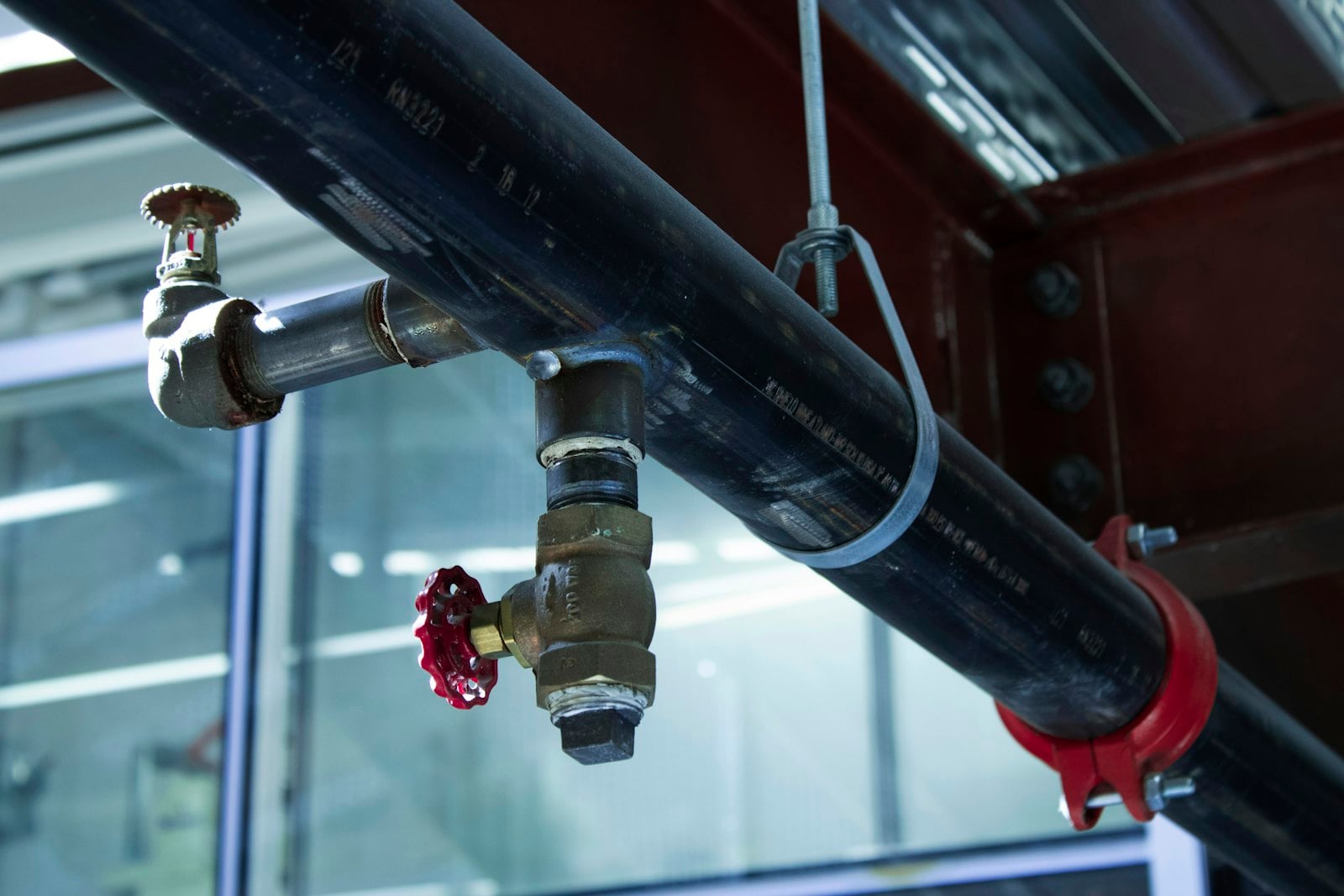
The point of leak detection is to open the smallest hole in the right place. San Antonio 24 Hour Plumber quotes the locating work and the repair separately so you can see both.
The system is pressure tested and closed off in sections to narrow down where the loss is happening — supply, irrigation, the line under the slab or a fixture that is passing water quietly.
Acoustic listening equipment, pressure testing and thermal checks are used to fix the position before any tile, drywall or concrete is touched. Cutting first and looking second is how small leaks become large repairs.
Once the failed section is replaced, the system is repressurized and the meter checked again. If the dial still moves, the job is not finished, and that gets said on the day rather than discovered on your next bill.
Leaks in San Antonio tend to fall into a few familiar groups. In older houses inside Loop 410, galvanized supply pipe corrodes from the inside and eventually weeps at a threaded joint. In newer slab homes north and west, the leak is usually in a supply line running below the concrete, where clay soil moving with the seasons has stressed a joint. Irrigation systems are a third group and account for a surprising number of jumping bills, especially after a dry summer when a cracked head or valve goes unnoticed.
What the detection finds decides what the repair looks like. A leak under the foundation is handled as slab leak repair, with real choices about rerouting versus opening the slab. A visible split in an accessible line is burst pipe repair. A fixture that is passing water rather than leaking is usually toilet and faucet repair, and a running toilet flapper is the most common culprit of the lot.
If the damp is near the water heater, the repair versus replacement comparison covers how to tell a fitting leak from a failed tank. Detection calls cover San Antonio and communities including Alamo Heights and the rest of the listed areas.
How accessible the system is and how much has to be ruled out. A leak under an exposed sink is found in minutes; a loss somewhere between the meter and the house takes isolation and testing. San Antonio 24 Hour Plumber quotes the locating work upfront and the repair once the leak has actually been found.
Locating it, yes — acoustic and pressure methods work through tile, slab and drywall. Repairing it eventually needs access, but the point of locating first is that the access is a small, deliberate opening in the right place rather than exploratory holes across a room.
If water is visibly running or a ceiling is sagging, yes — shut the main at the meter box and drain the lines from the lowest faucet. For a slow leak that has been there for weeks, leaving the water on so San Antonio 24 Hour Plumber can pressure test is usually more helpful. Say which situation you are in when you call.
Because most leaks are not visible. Irrigation, a toilet flapper passing water quietly and a supply line under a slab are the three that account for most unexplained bills. Check the meter with everything off first, then note down what the dial does — it is the single most useful thing you can tell San Antonio 24 Hour Plumber before the visit.
Tell us what you have noticed and we will plan the right visit.