Slab Leak Detection in San Antonio for Insurance Claims
Slab leak detection in San Antonio is usually the first step before you file a homeowners claim, because the leak has to be found and documented. Shut off the water if it is spreading, take photos, read your policy, and call to be connected with a local plumber who can locate the leak.
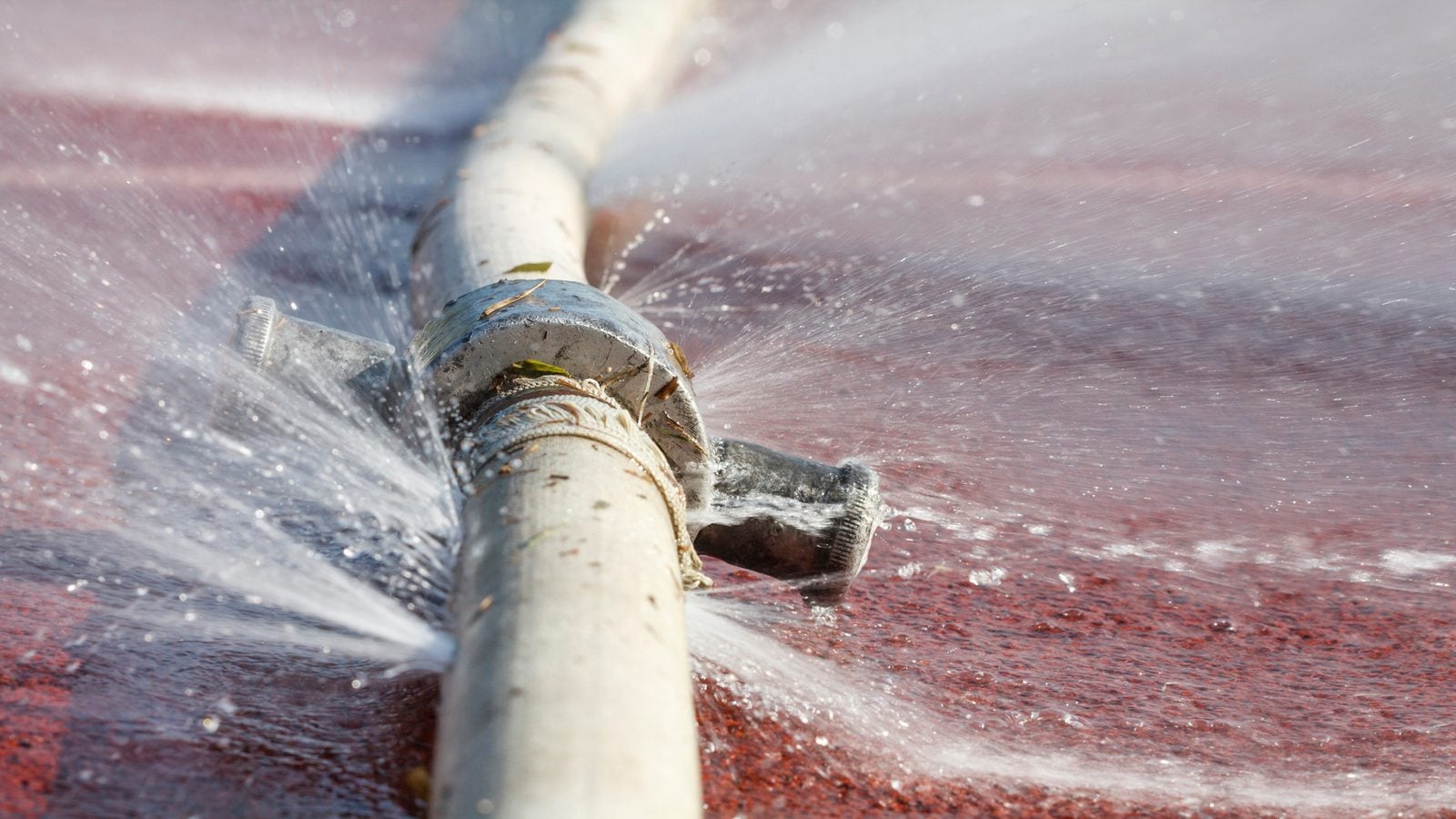
- A slab leak is a leak in a water or drain line under the concrete foundation, so it has to be located before anyone can describe it to an insurer.
- The Texas Department of Insurance (TDI) lists damage to foundations or slabs as an optional add-on (endorsement) in its home insurance guide.
- TDI also says policies won't cover a continuous water leak, so the timing and documentation of a leak matter.
- SAWS advises shutting off the main water service at the meter if you suspect a leak, and says it cannot repair plumbing on private property.
- Under Texas law as summarized by TDI, an insurer must acknowledge a claim within 15 days.
What to do first
- If water is coming up through the floor or spreading, shut off the main water at the house valve or at the meter.
- Turn off the water heater (breaker for electric, gas knob to off for gas) while the water is off.
- Take dated photos and video of wet flooring, warm spots, cracks and your water meter reading.
- Move furniture and rugs off wet areas, but do not tear out flooring or concrete yet.
- Call your insurance company to report the problem, then call to be connected with a local plumber for leak detection.
Why does slab leak detection come before an insurance claim in San Antonio?
Slab leak detection comes first because an insurance claim needs facts: where the leak is, what pipe failed, and what damage it caused. In San Antonio, most slab leaks are hidden under concrete, so without detection you can only describe symptoms. A written detection report gives your adjuster something concrete to review.
Many homeowners notice the signs first: a high water bill, a warm spot on the floor, the sound of running water, or damp carpet with no visible source. Detection replaces guesswork with testing and helps avoid opening the floor in the wrong place.
What are the signs I should get slab leak detection?
The common signs are a water meter that keeps moving when nothing is running, warm or damp spots on the floor, the sound of water under the house, a sudden jump in your water bill, and cracks or moisture near baseboards. Any one of these is worth checking. Two or more together make a slab leak more likely.
- Meter test: turn off every faucet and appliance, then watch the meter for 15 to 30 minutes. Movement means water is going somewhere.
- Warm floor: a hot water line leaking under the slab can warm tile or wood above it.
- Damp or musty areas: wet carpet pad or swollen baseboards with no plumbing fixture nearby.
The slab leak warning signs guide covers these in more detail.
How does slab leak detection work?
Slab leak detection works by isolating the water lines and then narrowing down the leak with testing. A plumber usually checks the meter, pressure-tests the hot and cold lines separately, and then uses tools such as acoustic listening equipment or thermal imaging to find the spot on the floor above the leak. The goal is to find the leak without breaking concrete.
The result should be a location, a likely cause, and the line involved (hot, cold or drain). The leak detection page explains how hidden leaks behind walls and floors are found.
Need help now? Call to be connected with a local provider in San Antonio who can check availability for your address.
What should I document for my insurance company?
Document everything you can see and everything the detection finds. Insurers and adjusters work from records, so dated photos, video, water bills and the written detection report are the core of a well-supported claim.
- Dated photos and video of wet floors, warm spots, cracks, stains and damaged belongings.
- Your water meter reading and a photo of the meter when everything was off.
- The written leak detection report, with the leak location and the line involved.
- The written quote for repair options, kept separate from any cleanup or drying work.
Does homeowners insurance pay for slab leak detection in Texas?
It depends on your policy, so check it before you assume either way. TDI's home insurance guide lists damage to foundations or slabs as an optional add-on (endorsement), and says policies won't cover a continuous water leak. That means the wording of your policy and the details of your leak both matter.
Many policies treat sudden damage differently from gradual leaks. Look for any foundation or slab endorsement and ask your insurer how it handles leak detection and access. This page is general information, not insurance or legal advice.
Should I call the plumber or the insurance company first?
Stop the water first, then report the problem to your insurer and arrange slab leak detection. Reporting promptly gives you a claim number and tells you whether the insurer wants an adjuster to see the area before anything is opened.
If the insurer asks you to wait before any repair, follow that instruction. Do not cut flooring or concrete until you know what your insurer expects. If water keeps spreading and you cannot shut it off, call to be connected with a local plumber right away and document the steps you took to limit damage.
What happens during the visit?
During the visit, the plumber inspects the home, tests the water lines, explains what was found and your repair options, and gives you a written quote before any work begins. You decide what happens next. Timing depends on the provider's schedule, the testing needed and how easy the lines are to reach.
- Inspection: the meter, shutoff valves, water heater, visible damage and the areas you noticed.
- Testing: isolating hot and cold lines and locating the leak point.
- Options explained: such as a spot repair through the slab, rerouting the line through walls or the attic, or repiping, and what each involves.
- Written quote: the scope of work in writing before anything starts, which you can share with your insurer.
What are my slab leak repair options after detection?
After detection, the usual options are a spot repair through the slab, rerouting the line above ground, or replacing a larger section of piping. The right choice depends on where the leak is, the age and type of pipe, and whether there are signs of more leaks. A plumber should explain each option and put it in a written quote.
The slab leak repair page compares these approaches. Ask your insurer how each one would be handled under your policy before you choose.
Why are slab leaks a concern in San Antonio homes?
Slab foundations are the standard way homes are built in this region. The National Association of Home Builders reports that 97.9% of new single-family homes in the West South Central census division, which includes Texas, were built on slab foundations in 2024. Many water lines here run under concrete, where a leak stays hidden.
Soil and water add to the picture. The Blackland Prairie, with its highly expansive Houston Black clays that shrink and swell with changes in moisture, extends from north of Dallas south to San Antonio. The City of San Antonio's 2019 climate assessment lists an increase in water main breaks due to clay soil shifting as a drought-related impact. San Antonio Water System (SAWS) also reports typical hardness of 15 to 20 grains per gallon, from minerals in the Edwards and Trinity aquifers.
- SAWS advises shutting off the main water service at the meter if you suspect a leak, and it cannot repair plumbing on private property.
- Homes in Boerne, New Braunfels and Schertz may have a different water utility, so check your own utility's guidance.
This site connects callers across the area, including Stone Oak, Alamo Heights, Helotes, Leon Valley and San Antonio. Call to be connected with a local plumber who can schedule slab leak detection at your address.
Related pages
Questions people ask
Where can I get slab leak detection in San Antonio before filing an insurance claim?
Call the number on this page to be connected with a local plumber who offers slab leak detection in San Antonio. Ask for the findings in writing so you can add them to your claim.
Do I need to find the slab leak before I call my insurance company?
No. You can report the problem to your insurer first. Many people report it, get a claim number, and then arrange detection, since the insurer will want to know where the leak is and what caused it.
Will my insurance company send its own leak detection company?
Some insurers do and some do not. Ask when you report the claim whether they want to choose the detection provider or will review a report from one you choose.
Can I get a slab leak located without breaking up my floor?
Usually, yes. Slab leak detection uses pressure tests, listening equipment and thermal imaging to find the spot from above. Concrete is normally opened only for the repair, not to find the leak.
How do I know if the leak is under my slab and not in a wall?
A detection test is the only reliable way. Warm floor spots and wet flooring away from walls point toward the slab, while stains on drywall point to a wall leak, but testing confirms it.
What does my insurance adjuster want to see for a slab leak claim?
Adjusters usually want photos, the detection report, the leak location, the likely cause and a written repair quote. Water bills and meter photos help show when the leak started.
Does homeowners insurance cover finding a slab leak in Texas?
It depends on your policy. TDI lists damage to foundations or slabs as an optional endorsement, so read your policy and ask your insurer how it handles leak detection and access.
Why would an insurance claim for a slab leak be denied?
Claims are often questioned when a leak looks gradual rather than sudden. TDI says policies won't cover a continuous water leak, so clear documentation of when you noticed signs and how quickly you acted matters.
Should I keep running water in the house while I wait for leak detection?
Limit it. If water is spreading or the meter is moving fast, shut off the main. Some detection tests need the water on, so ask the provider what to do before the visit.
Can a slab leak cause damage to my foundation?
Water under a slab can affect the soil beneath it. If you see wide or growing cracks, doors that stick, or uneven floors, ask for a qualified foundation inspection or an engineer in addition to the plumbing work.
Can SAWS find a slab leak inside my house?
No. SAWS says it cannot repair plumbing on private property. It advises shutting off the main water service at the meter if you suspect a leak, then contacting a plumber.
What should I write down when I first notice a slab leak?
Write the date you noticed it, what you saw or heard, your meter reading and when you shut off the water. Take dated photos. This timeline is useful for both the plumber and your insurer.
How long does a Texas insurer have to respond to my slab leak claim?
Under Texas law as summarized by TDI, an insurer must acknowledge a claim within 15 days and accept or deny it within 15 business days of getting all the information it needs. This is general guidance, not legal advice.
How do I check that the plumber doing my slab leak detection is licensed in Texas?
Use the Texas State Board of Plumbing Examiners (TSBPE) online license search. TSBPE suggests asking for the company's Responsible Master Plumber and notes that Master Plumber license numbers begin with the letter M.
Can I repair a slab leak myself in Texas?
Texas law says a property owner does not need a plumbing license to do plumbing in their own homestead. A city may still require a permit, and slab work is hard to do well, so most people call a plumber.
Do I need a permit to fix a slab leak in San Antonio?
It can depend on the job. TSBPE advises asking your city's plumbing inspection department whether a job needs a permit and inspection, and a plumber can tell you what applies at your address.
Talk to someone about your plumbing problem
Call to be connected with a local provider who can check availability for your address and explain the next step.