Clogged Drain or Sewer Line?
One slow sink and a whole house backing up are not the same problem. San Antonio 24 Hour Plumber explains how to tell them apart, what to stop doing straight away and what a plumber should check.
- 24/7 Emergency Service
- Upfront Quotes
- Same-Day Availability
By the San Antonio 24 Hour Plumber team · Updated September 2026
Count the Fixtures
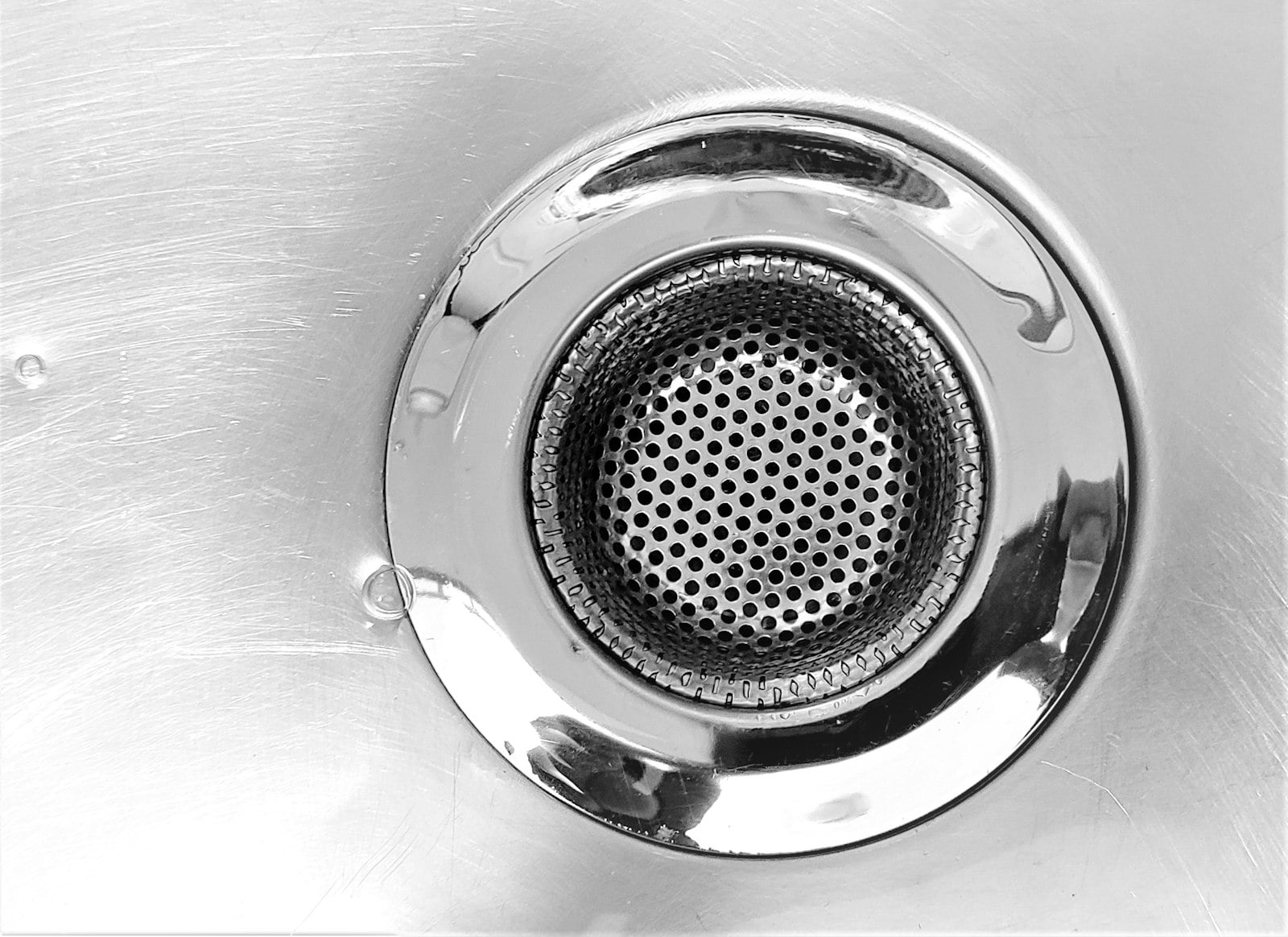
This is the whole test, and it takes a minute. Go round the house and run each fixture in turn: kitchen sink, bathroom basins, tubs, showers, and flush each toilet once. Then note which ones drain normally and which do not.
If exactly one fixture is slow and everything else is fine, the blockage is local — in that fixture's trap or in the short branch line serving it. Clearing that one drain solves it, and the rest of the house is unaffected in the meantime.
If two or more fixtures are affected, particularly ones in different rooms, the problem is further down where those branches join. And if the fixtures giving trouble are the lowest ones in the house — a ground-floor shower, a tub, a floor drain in a utility room or garage — that points at the main line between the house and the sewer.
The Signs That Mean Main Line
A few symptoms are close to conclusive on their own. Waste water rising into a tub or shower when a toilet is flushed means everything is trying to get out through the lowest opening because the way forward is blocked. A toilet that bubbles when the washing machine empties is the same thing in a gentler form: the water has nowhere to go and is pushing air back up the line.
Outside the house, a strip of lawn that stays soggy in dry weather, a patch of grass that is noticeably greener along the line to the street, or a smell in the yard are all worth reporting. So is the pattern over time: a main line that blocks, gets cleared and blocks again within weeks is telling you something structural is going on, not that someone put the wrong thing down the sink.
What to Stop Doing Right Away
If waste is coming up anywhere inside the house, stop using water entirely. Every flush, every wash cycle and every shower has to go somewhere, and with the main line blocked it comes straight back out at the lowest fixture. Keep children and pets out of the affected room, and treat the water as a health hazard rather than a mess — avoid contact with it and with anything it has touched.
Do not reach for chemical drain cleaner. It rarely gets past the trap to where the blockage actually is, it sits in the line, it attacks older cast iron, and it makes the pipe hazardous for whoever opens it next. If somebody has already poured some in, say so when you call — that genuinely changes how the job is approached.
For a single slow fixture, a plunger or a small hand auger is reasonable. For anything affecting more than one fixture, stop and call.
What the Camera Is For
Clearing a blockage and understanding it are two different things. A cable cuts a path through; hydro jetting scours the pipe wall back to full diameter. Either can get a house working again the same day. But if the line has blocked before, a camera run through the cleanout is what turns a repeat callout into a repair — it shows whether the cause was grease, roots at a joint, a section that has dropped and holds water, or a pipe that has corroded through.
You should be shown what the camera found rather than simply told. It is the difference between approving a repair you understand and approving one you are taking on faith.
Why San Antonio Drains Block
The housing age split explains most of it. Inside Loop 410, houses from the 1920s through the 1960s were plumbed with cast iron, and in some cases clay tile out to the street. Cast iron scales and flakes internally, so the effective diameter shrinks over decades until things that used to pass start catching. Clay tile joints open up. Both are now well past the age at which this is surprising.
Trees are the second cause. Mature live oaks and pecans on older streets send roots to any sewer joint that is leaking even slightly, and once inside they catch everything that comes down. Soil movement is the third: expansive clay across much of the area lifts and drops through wet and dry seasons, which over time can pull a joint apart or leave a sag where waste sits instead of flowing. In Universal City, where most of the housing dates from the 1960s and 1970s, all three factors tend to show up in the same street.
Arrange an Inspection
For a single slow fixture, drain cleaning is the service you want, and the line gets checked afterwards so you know why it blocked. If more than one fixture is affected or waste is coming back up, that is sewer line repair territory and San Antonio 24 Hour Plumber treats it as an emergency call. If a drain problem is accompanied by damp appearing inside the house with no obvious source, leak detection is worth running at the same time. Tell us which fixtures are affected and we will plan the right visit.